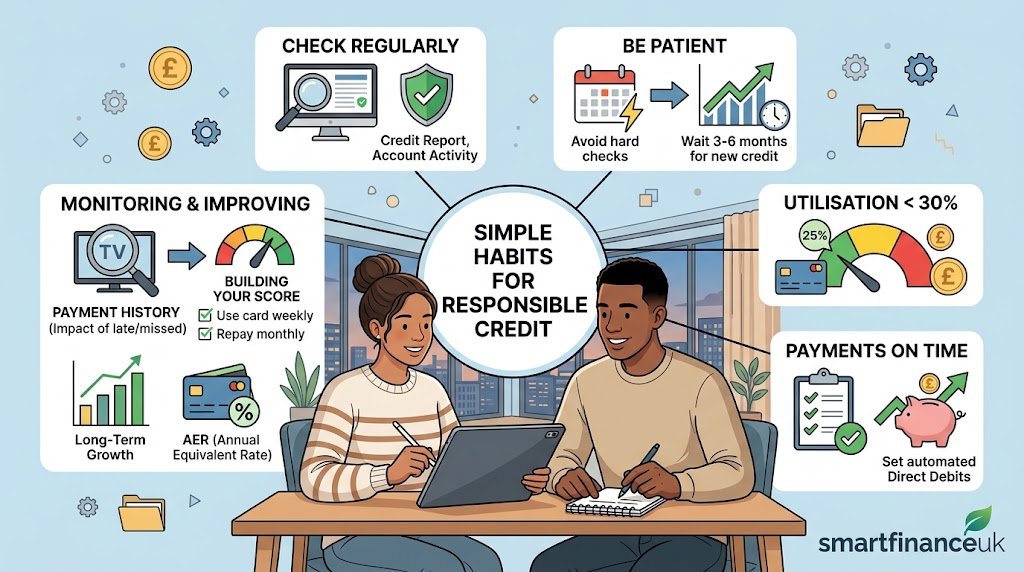
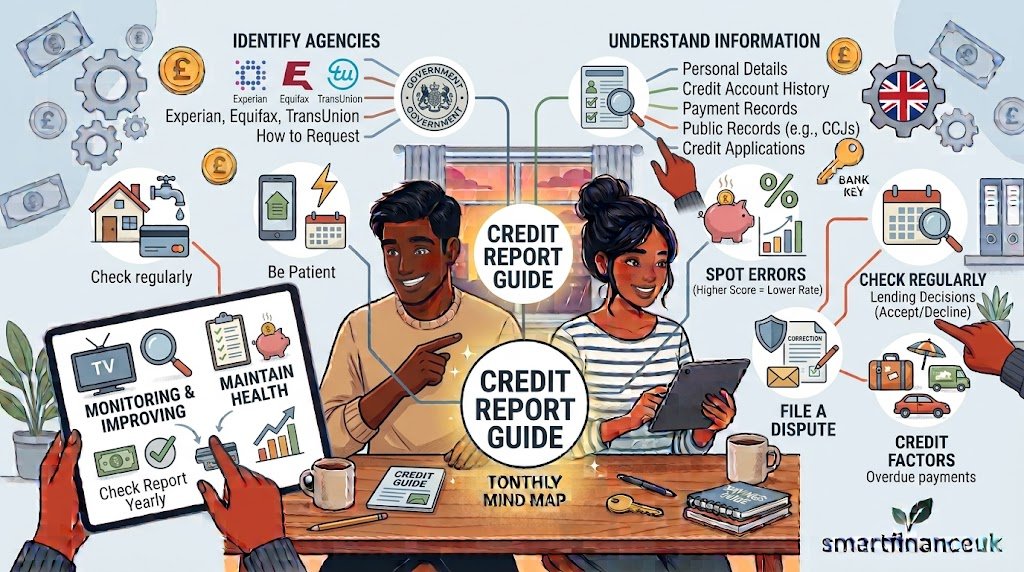
Credit can be a useful part of everyday financial life. A credit card can help spread the cost of a purchase, an arranged overdraft can provide short-term flexibility, and borrowing can sometimes help people pay for significant expenses. But credit also creates an obligation to repay what you borrow, usually with interest or other charges. … Read more
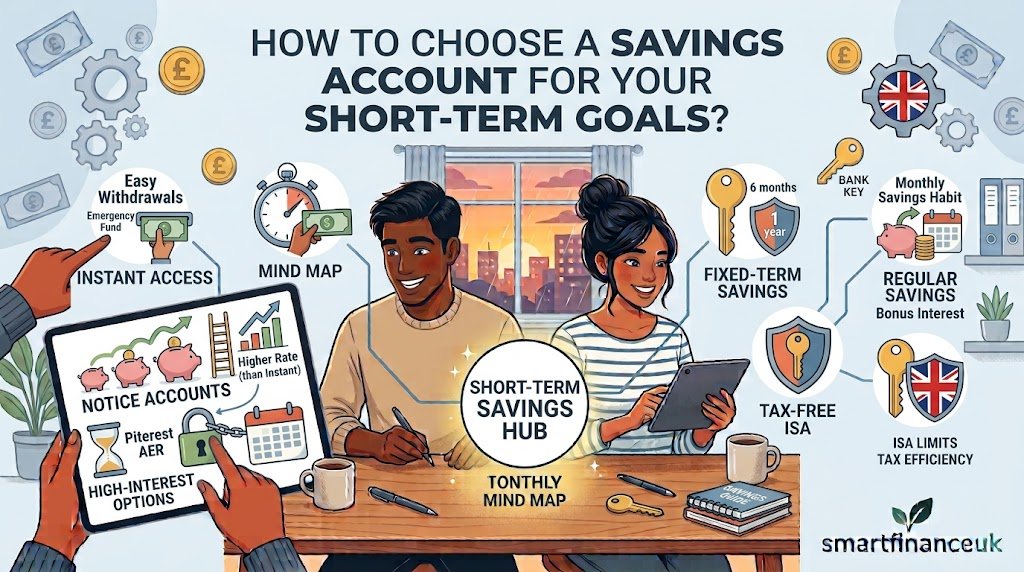
Choosing a savings account for a short-term goal is not simply a matter of finding the highest interest rate. The right account also needs to give you suitable access to your money, fit your savings timetable and have conditions you can realistically follow. Perhaps you are putting money aside for a holiday, car repairs, a … Read more
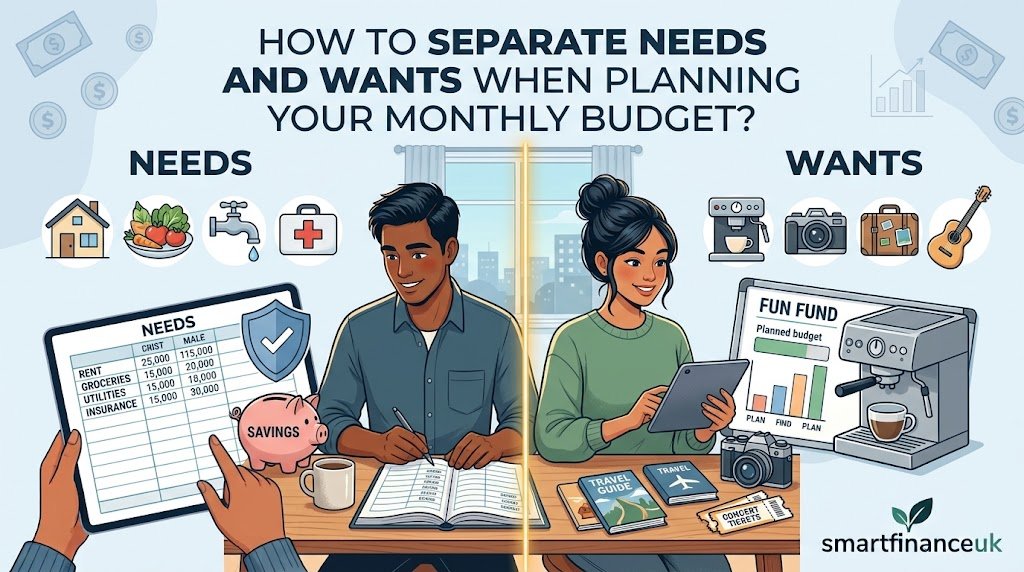
Creating a monthly budget becomes much easier when you know which expenses are essential and which ones are optional. But the distinction is not always as simple as it sounds. Some costs that look like wants can be necessary in certain households, while some spending that feels essential may actually be flexible. The aim is … Read more
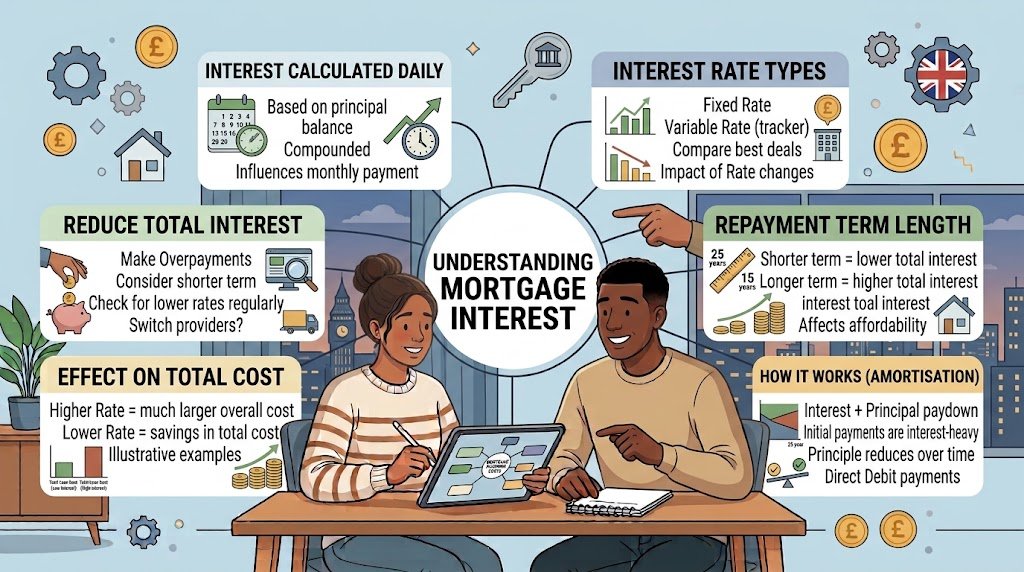
When you take out a mortgage, the amount you borrow is only part of what you will eventually pay back. The lender also charges interest for providing the money, and over a long mortgage term that interest can become a substantial part of the total cost. This is why two mortgages with the same borrowing … Read more
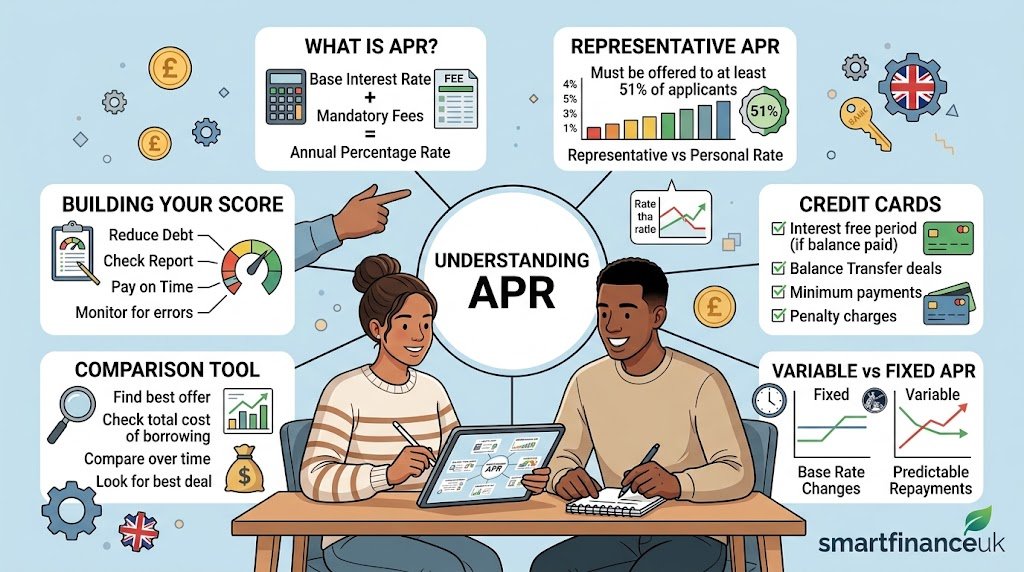
When you borrow money, the amount you repay is usually higher than the amount you originally received. Interest is one reason, but borrowing can also involve certain fees and charges. This is where APR, or Annual Percentage Rate, becomes useful. APR is designed to express the annual cost of borrowing as a percentage and can … Read more
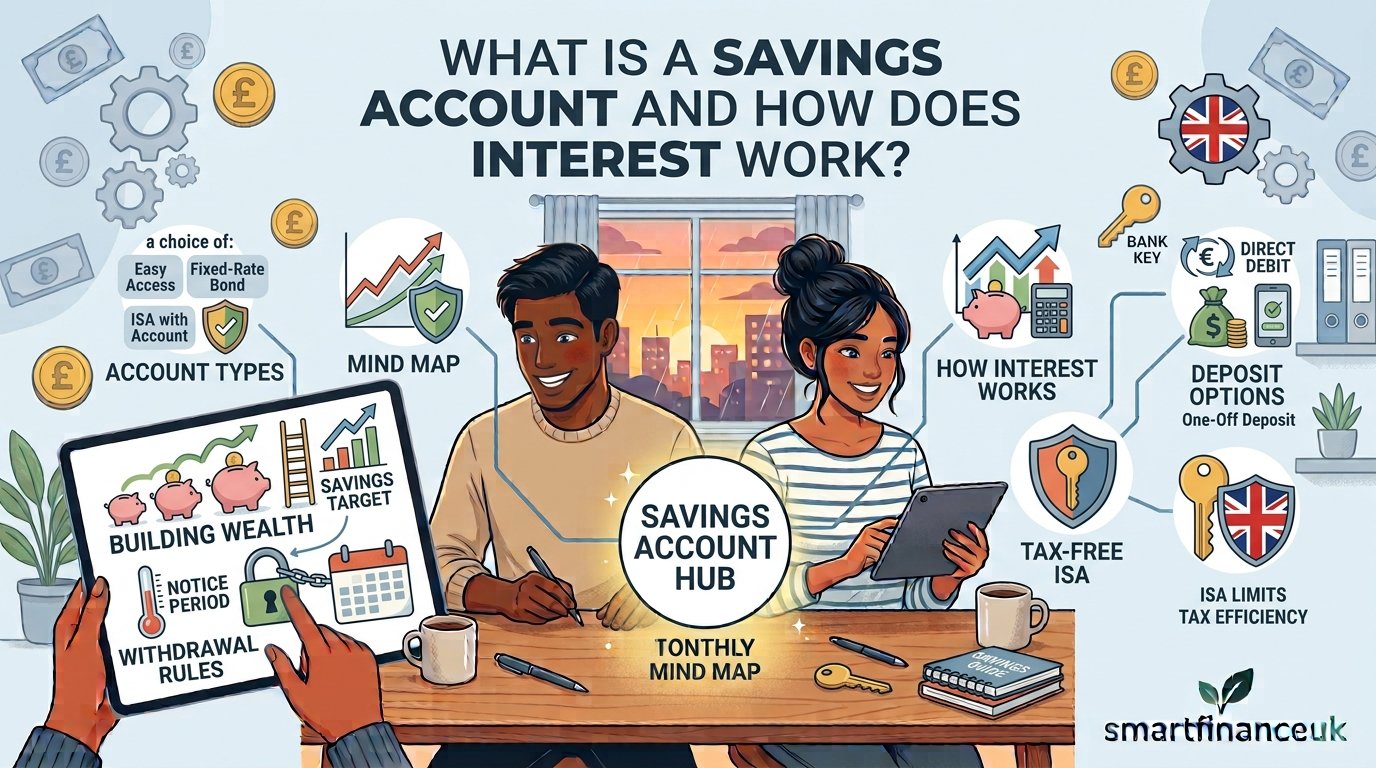
A savings account is designed for money you want to put aside rather than spend on everyday purchases. In the UK, people use savings accounts for many different purposes, from building an emergency fund to saving for a planned expense or simply keeping money separate from their current account. One of the main differences between … Read more
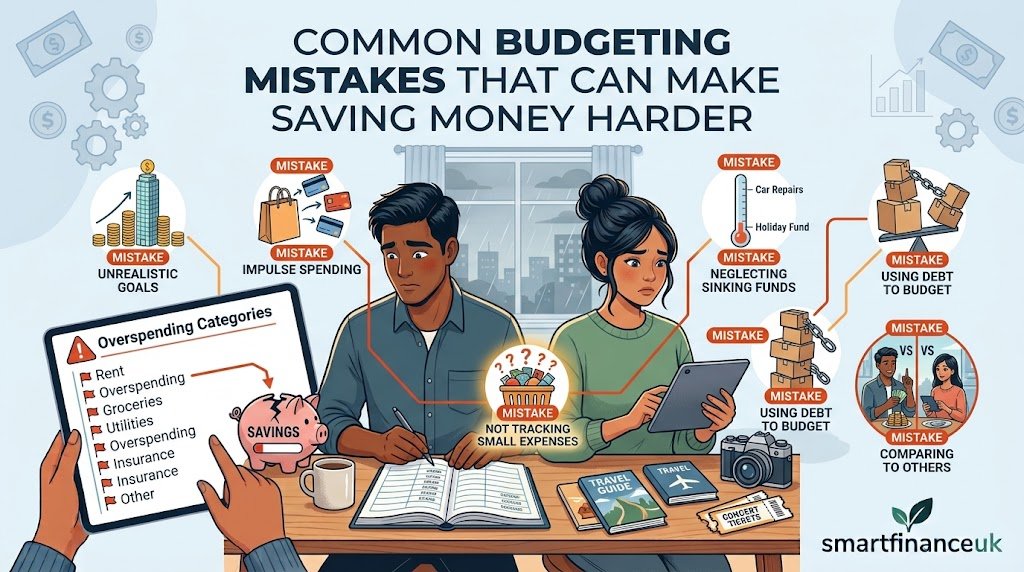
A budget is supposed to make managing money easier. Yet a budget can sometimes have the opposite effect when it is based on unrealistic assumptions, leaves out important expenses or treats every month as though it will be exactly the same. This is particularly noticeable when you are trying to save money. You may set … Read more
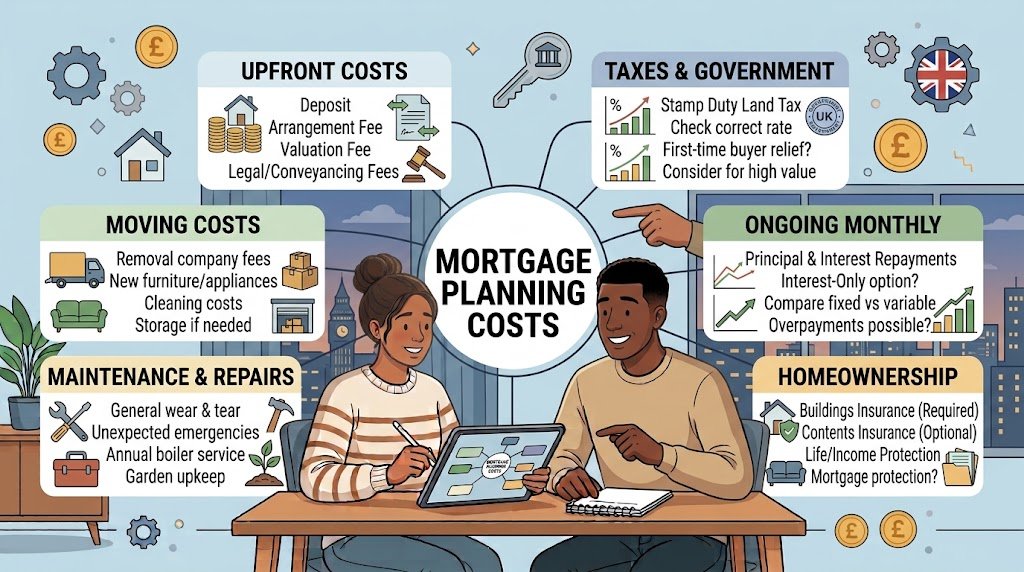
Planning for a mortgage is about much more than working out whether you can afford the monthly repayment. Buying a home in the UK can involve a deposit, mortgage fees, legal costs, surveys, taxes, insurance, moving expenses and ongoing household bills. Some costs are paid before you complete the purchase. Others appear on completion, while … Read more
Your credit report can affect important financial decisions, from applying for a credit card or personal loan to arranging a mortgage or mobile phone contract. Yet many people only look at their report after being refused credit or discovering an account they do not recognise. Checking your credit report before you need to borrow can … Read more
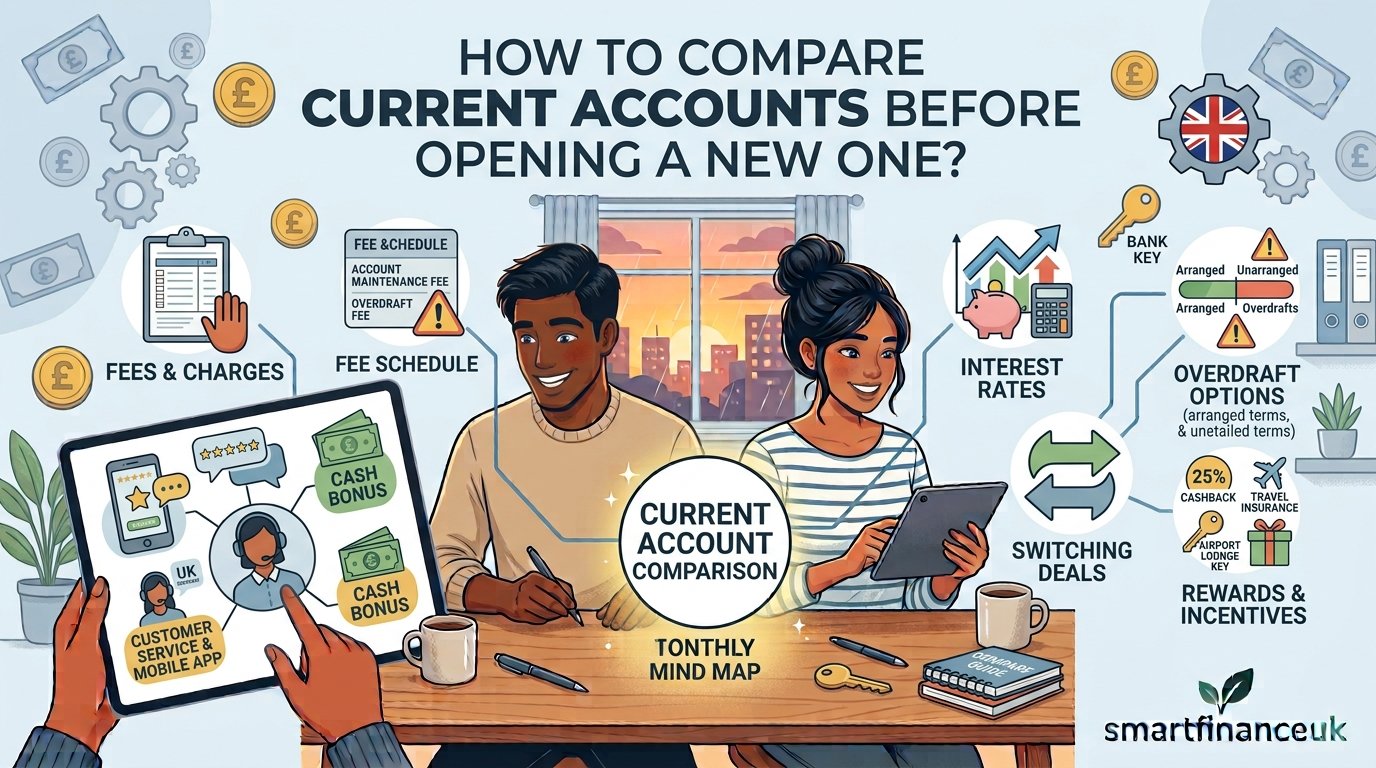
Opening a new current account can be surprisingly easy. The harder part is deciding whether the account is actually suitable for the way you manage your money. A headline reward, cashback offer or attractive-looking app may catch your attention, but those features do not tell the whole story. A current account can also have monthly … Read more
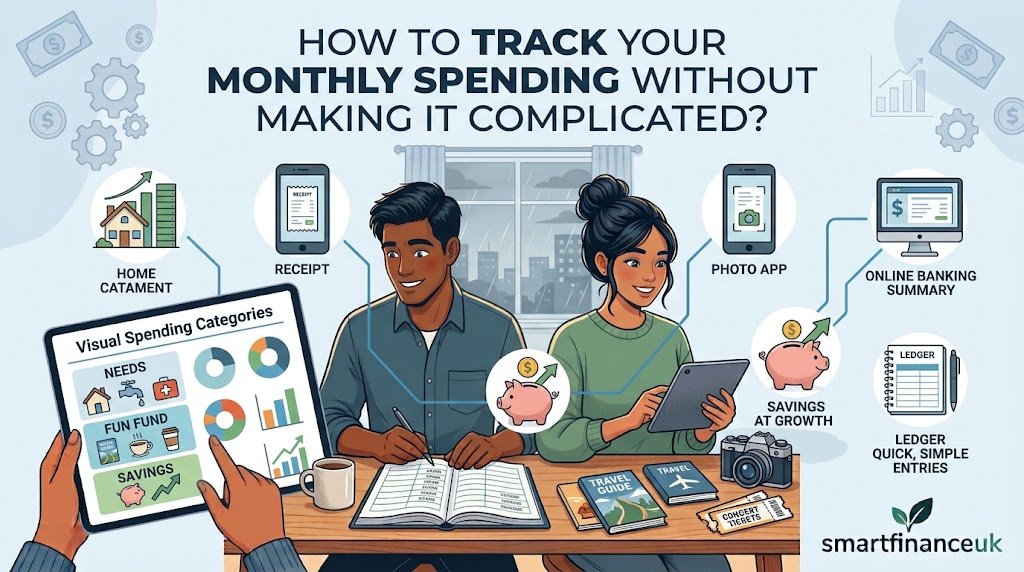
Tracking your monthly spending can sound like a task that requires spreadsheets, complicated categories and constant checking of your bank account. It does not. A useful spending system can be as simple as knowing how much money comes in, what bills need to be paid, what you spend on everyday needs and how much remains. … Read more
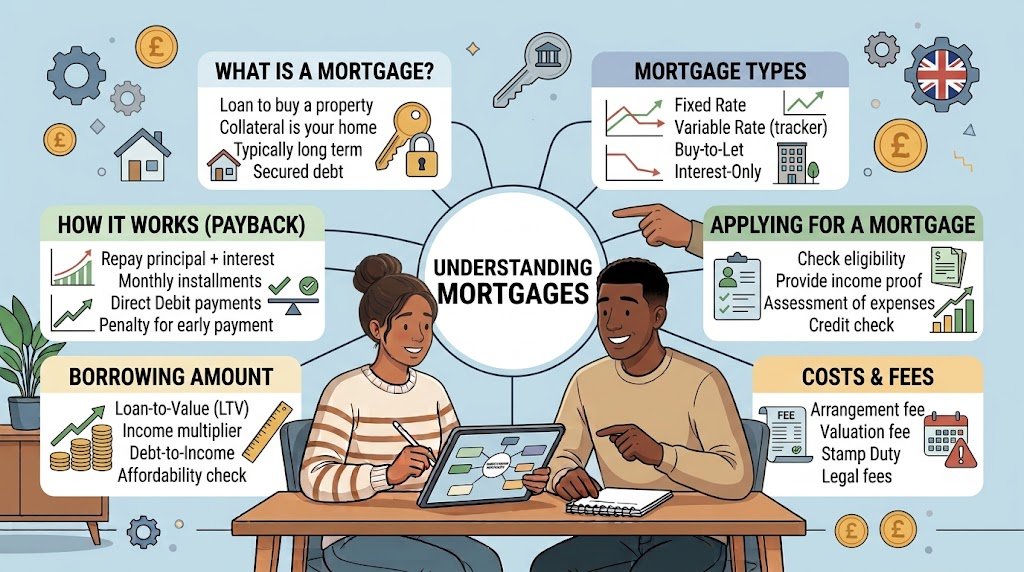
For many people in the UK, buying a home involves borrowing a substantial amount of money through a mortgage. Because a mortgage can last for decades and involve a large amount of interest, understanding how it works before making an application is important. A mortgage is a loan secured against a property. You normally contribute … Read more