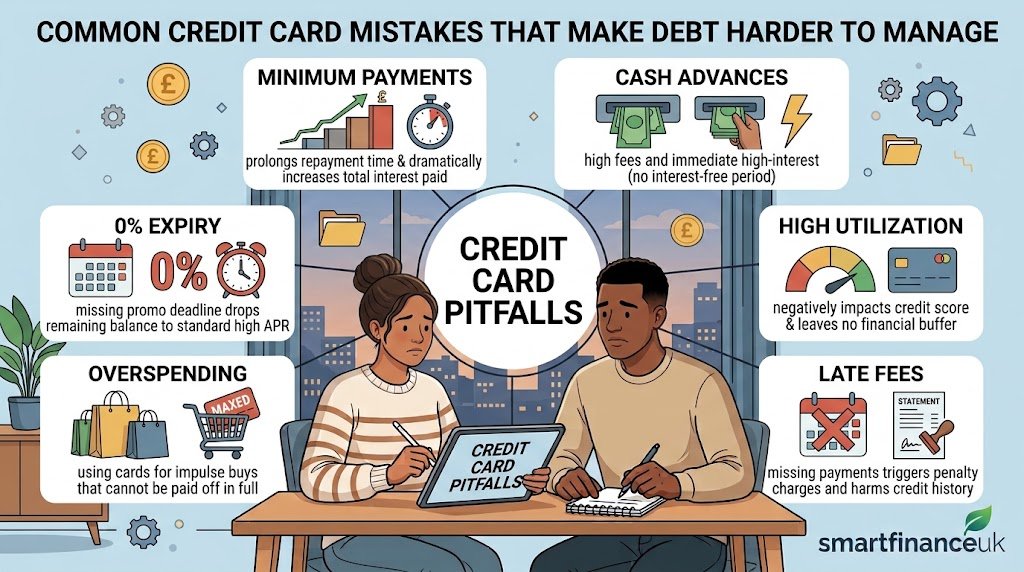
Credit cards can be useful for everyday spending, unexpected costs and planned purchases. They can also become expensive when balances are carried from month to month without a clear repayment plan. A common problem is not necessarily having a credit card itself. It is misunderstanding how repayments, interest, fees and new spending interact. A person … Read more
Your bank accounts can quietly become less useful over time. A current account that once suited your spending habits may no longer offer the features you need. A savings account that looked competitive when you opened it may now pay a different interest rate. Fees can change, introductory offers can expire, and your own financial … Read more
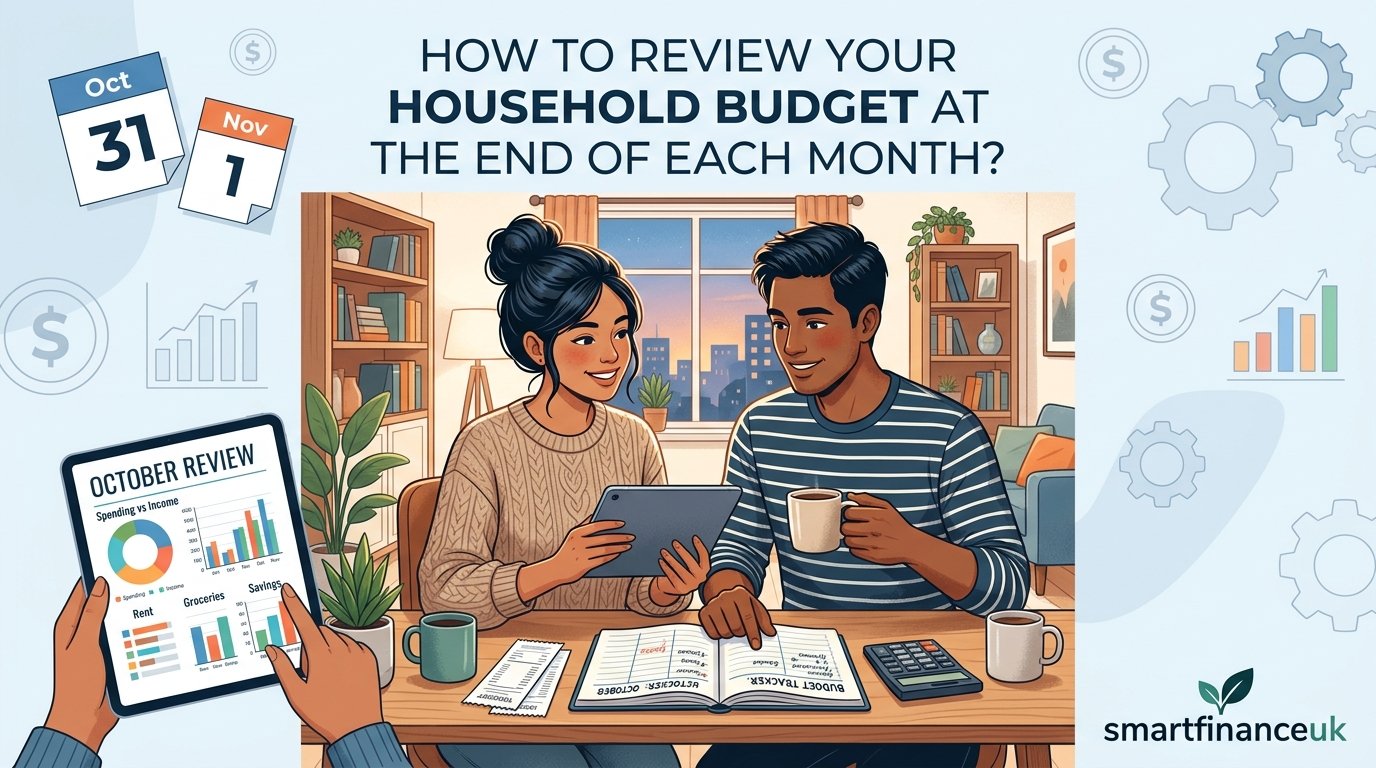
A monthly budget is only useful if you occasionally check whether it reflects what is actually happening in your household. Even a carefully prepared budget can become inaccurate when energy costs change, subscriptions are added, income varies or everyday spending starts moving in a different direction. An end-of-month budget review does not need to take … Read more
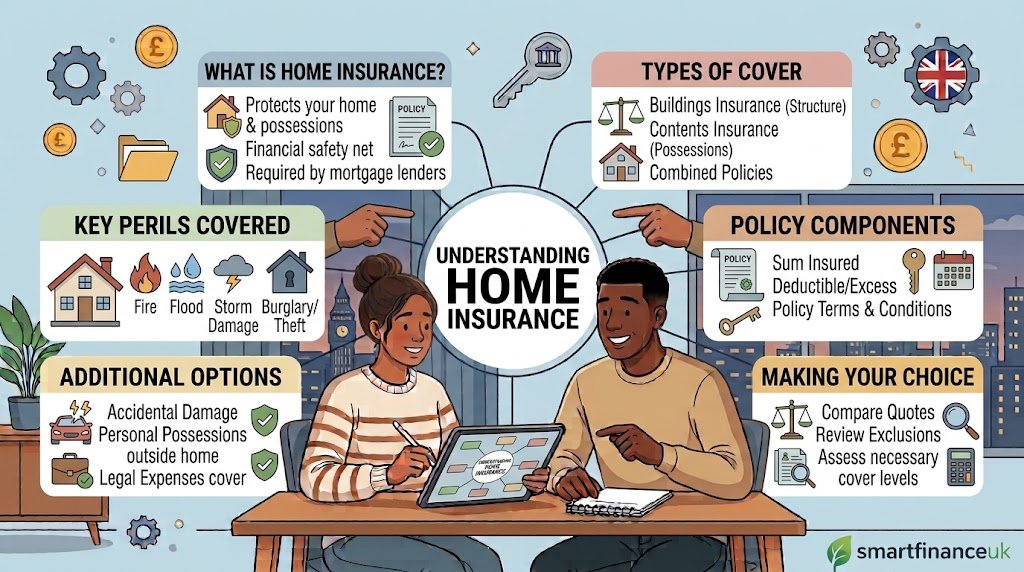
Home insurance is designed to protect you from the financial consequences of certain problems affecting your home or belongings. Depending on the policy, it can help pay for repairs after events such as fire, flooding or storm damage, or help replace possessions following theft. For UK households, the phrase home insurance usually refers to two … Read more
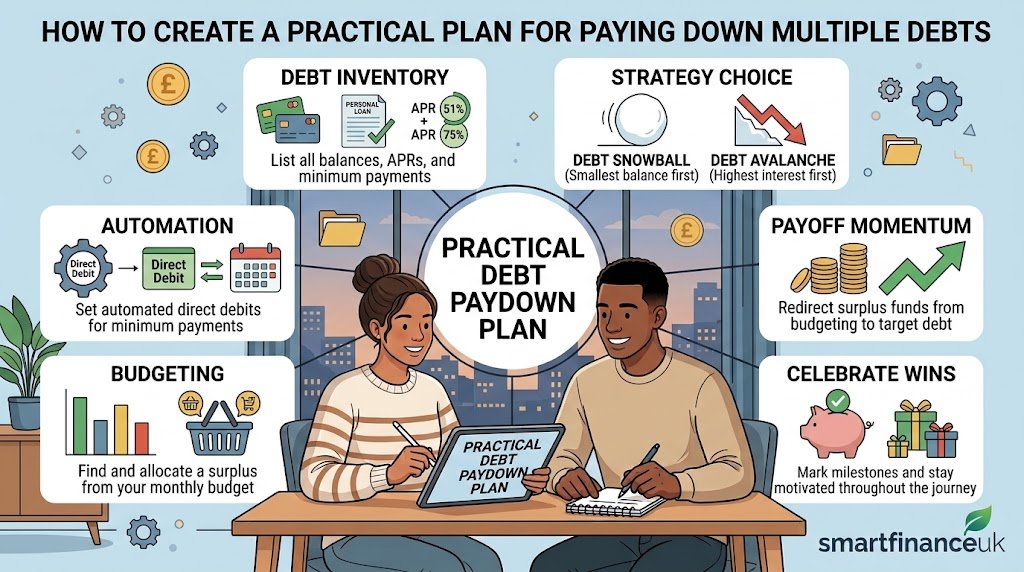
Having several debts at the same time can make your finances feel difficult to organise. You may have a credit card balance, personal loan, overdraft, car finance or other borrowing, each with a different balance, interest rate and repayment date. The problem is not always the total amount owed. Sometimes it is simply that there … Read more
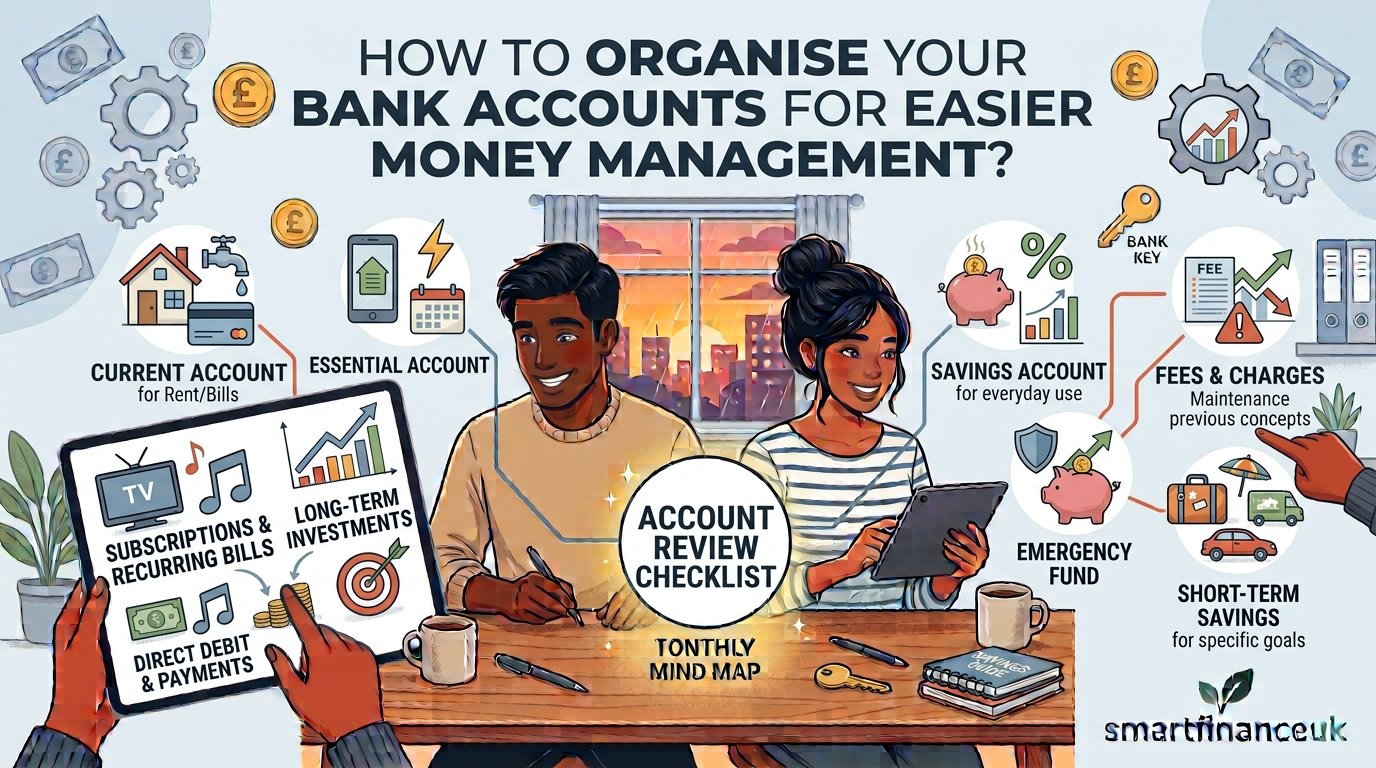
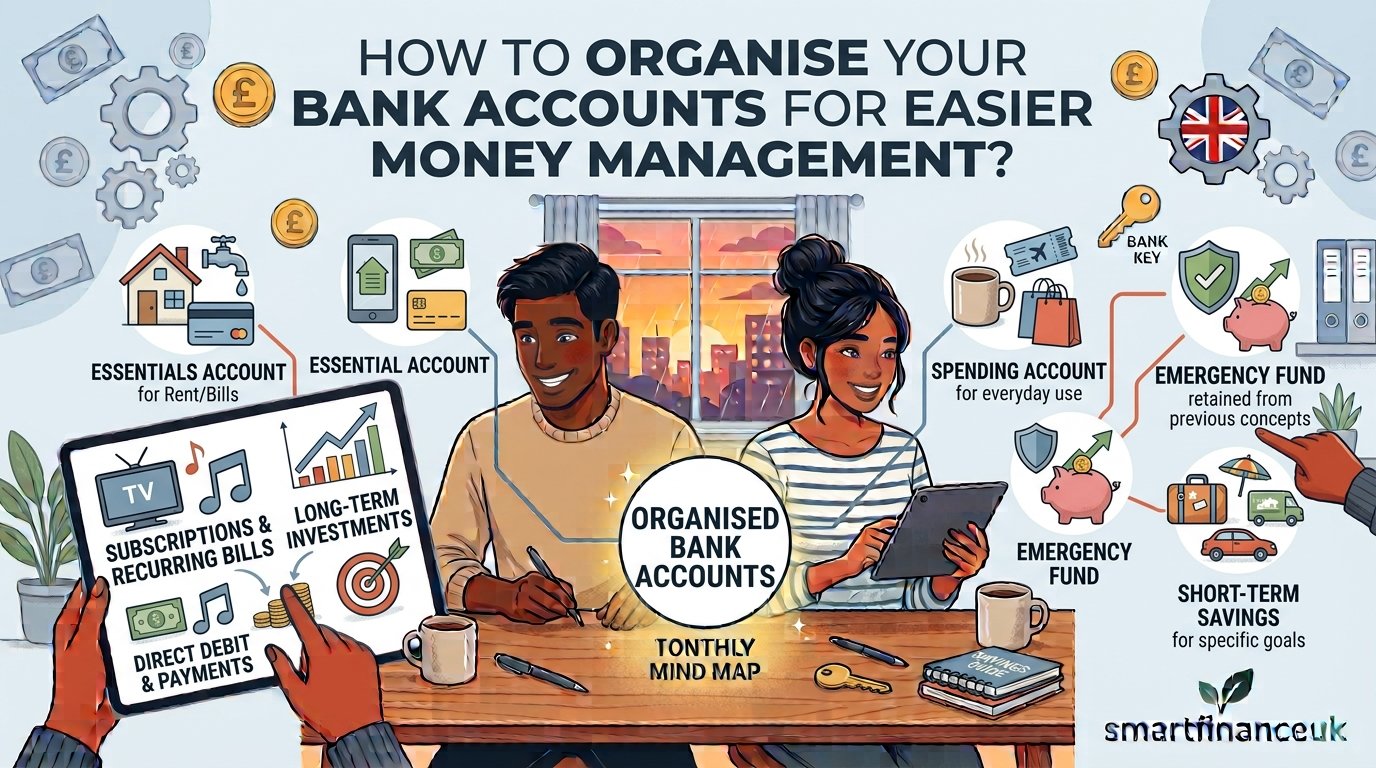
Managing money can become difficult when everything comes out of one bank account. Your salary arrives, household bills are paid, savings are transferred, and everyday spending happens from the same balance. By the middle of the month, it can be difficult to tell how much money is genuinely available. Organising your bank accounts can make … Read more
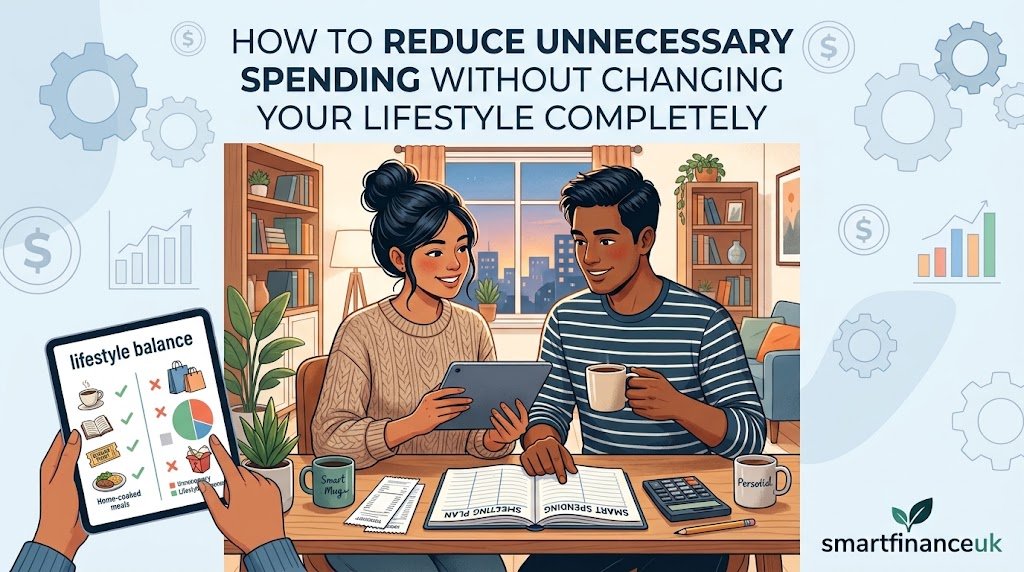
Reducing unnecessary spending does not have to mean giving up everything you enjoy. In fact, a budget that removes every takeaway, hobby, social activity or small treat can be difficult to maintain for very long. A more practical approach is to find spending that provides little value to you and reduce it without making everyday … Read more
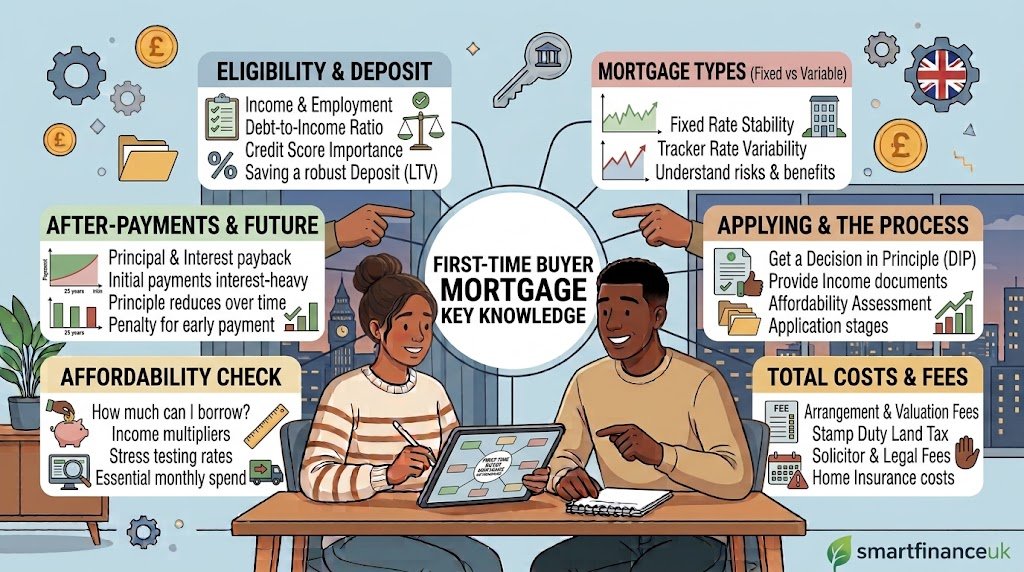
Buying your first home is a major financial commitment, and applying for a mortgage can feel complicated when you are unfamiliar with the terminology and process. Before approaching a lender, it helps to understand how much you can realistically afford, how your deposit affects the mortgage, what lenders look at, and which costs sit outside … Read more
A credit card can be convenient when you need to spread the cost of a purchase or manage spending between paydays. The problem begins when a balance is carried from one month to the next without a clear repayment plan. Credit card interest can make an existing balance more expensive, while new purchases can increase … Read more
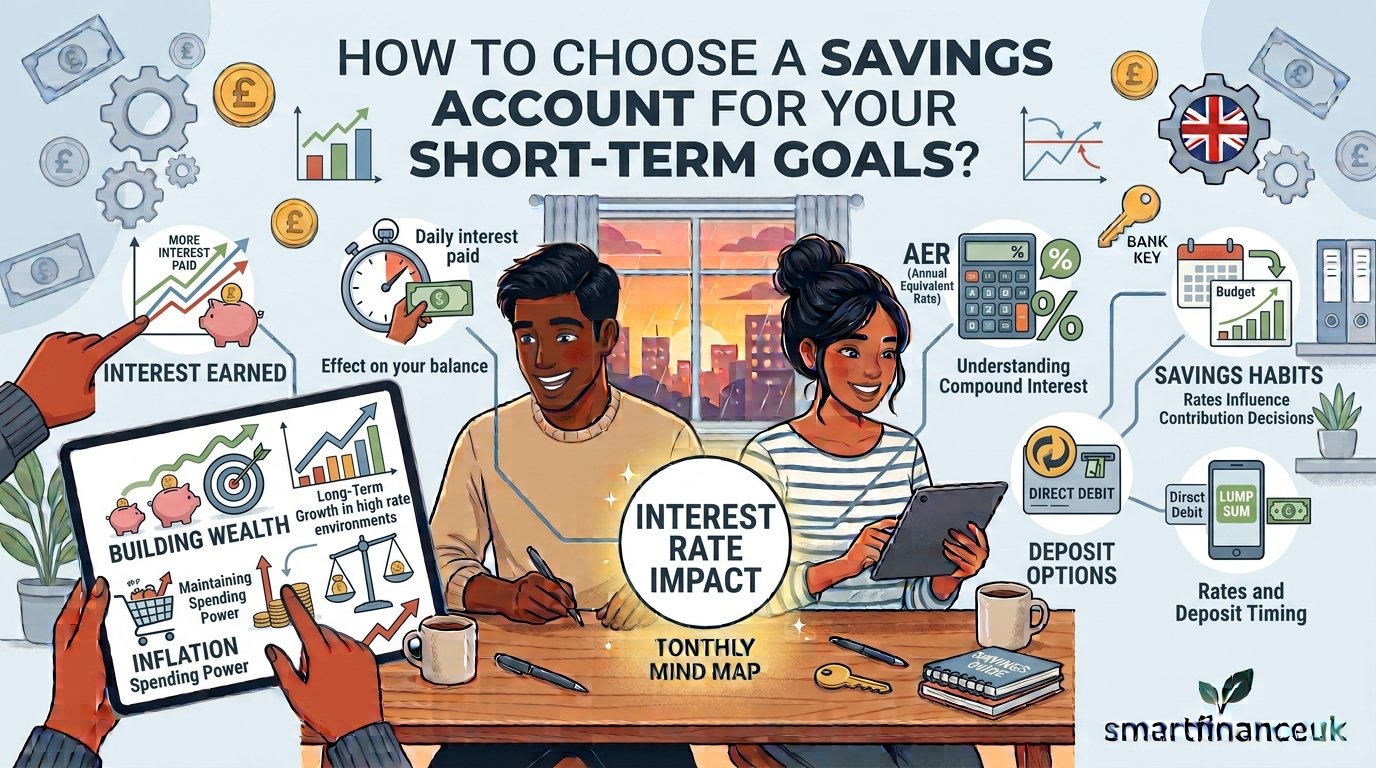
When you put money into a savings account, the interest rate determines how much extra money the bank or building society may pay you for keeping your savings there. A higher rate can help your balance grow faster, while a lower rate means you earn less interest. But comparing savings accounts is not simply about … Read more
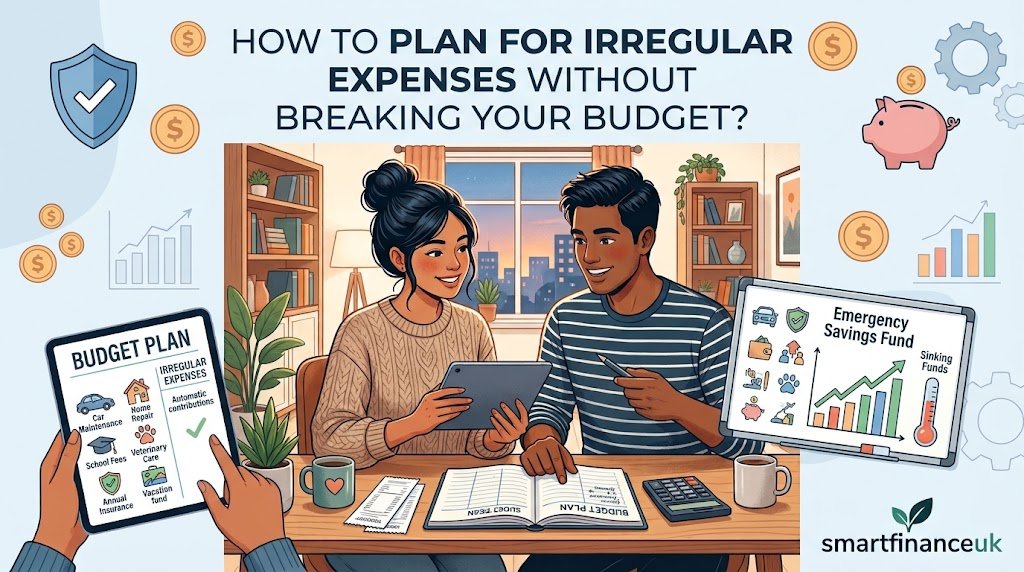
Irregular expenses can make an otherwise sensible monthly budget feel unreliable. You may manage your regular bills comfortably, only to face an annual insurance payment, car repair, Christmas spending or a home maintenance bill that was not included in your normal monthly plan. The problem is often not that these expenses are genuinely unexpected. Many … Read more
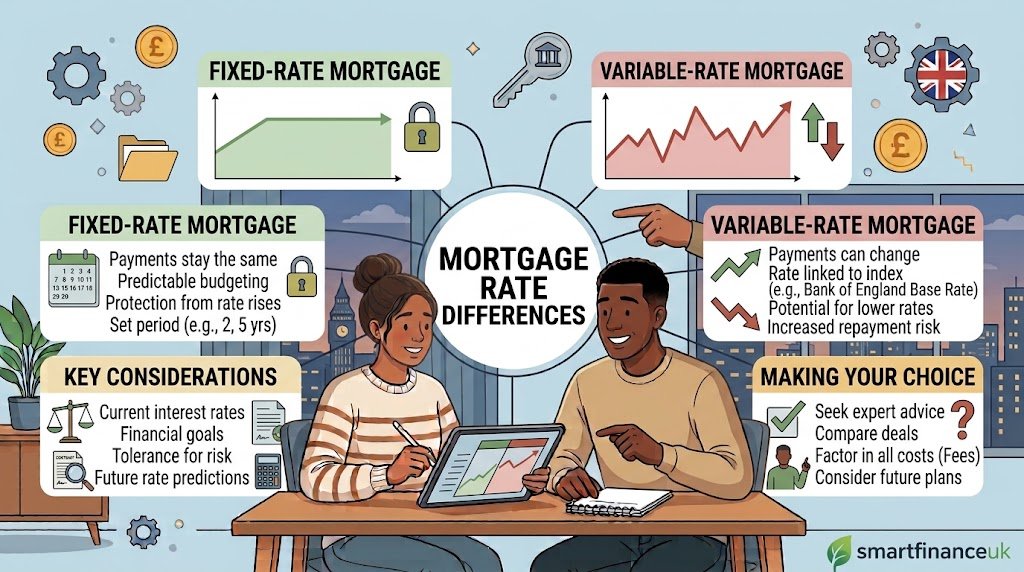
Choosing a mortgage involves more than deciding how much you want to borrow. You also need to consider how the interest rate will be charged and whether your monthly payments could change over time. Two of the main mortgage rate options in the UK are fixed-rate mortgages and variable-rate mortgages. With a fixed-rate mortgage, the … Read more